What is Overdose Prevention?
““Overdose prevention helps people who use drugs avoid negative effects, like infection or overdose. But it’s also more than that. In addition, “many understand harm reduction as a way to meet people where they are with kindness and respect.””
Prevention OUTSIDE of substance use:
Wearing a seatbelt when driving
Wearing a nicotine patch instead of smoking
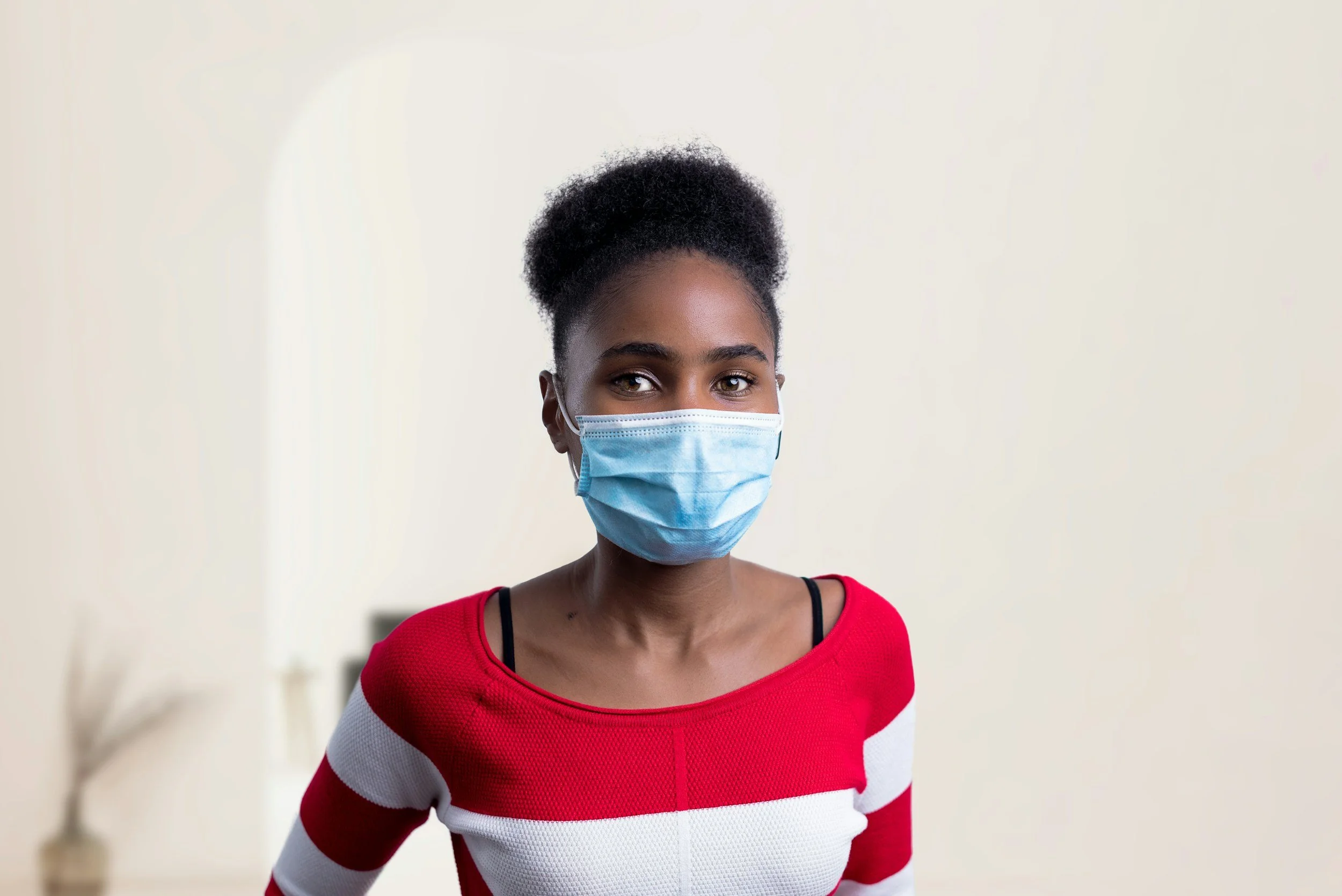
Wearing a face mask during the pandemic and during yearly cold and flu seasons

Overdose Prevention IN substance use:
Not using substances alone (This increases the risk of an overdose!)
Learning signs and symptoms of an overdose
Learning how to administer Naloxone
Substance use testing strips: fentanyl and xylazine
Understanding the Good Samaritan Law and how it protects bystanders in the event of an overdose event
Deciding to use less or fewer substances
Knowing where to get help and support
Overdose Prevention Resources
Click on the logos below to access the online resource.

The CCHD offers free naloxone kits, as well as fentanyl and xylazine testing strips, available upon request. Through our Clinical Health Services Division, we also provide Hepatitis C (HCV) screenings to support early detection and care.
A 24/7 toll-free hotline where you will be connected to an operator who can stay on the phone while you use drugs alone, activating an emergency safety plan that will be decided upon with the caller and operator.

Through mobile outreach teams, CTHRA delivers essential supplies, HIV/HCV testing, wound care kits, and servcies care, and syringe services across dozens of communities including the most underserved areas to help keep people safe, reduce harm, and connect individuals to vital care and resources.

The National Harm Reduction Coalition promotes health and dignity of people who use drugs by providing safer use education, expanding naloxone access, and leading overdose prevention trainings.